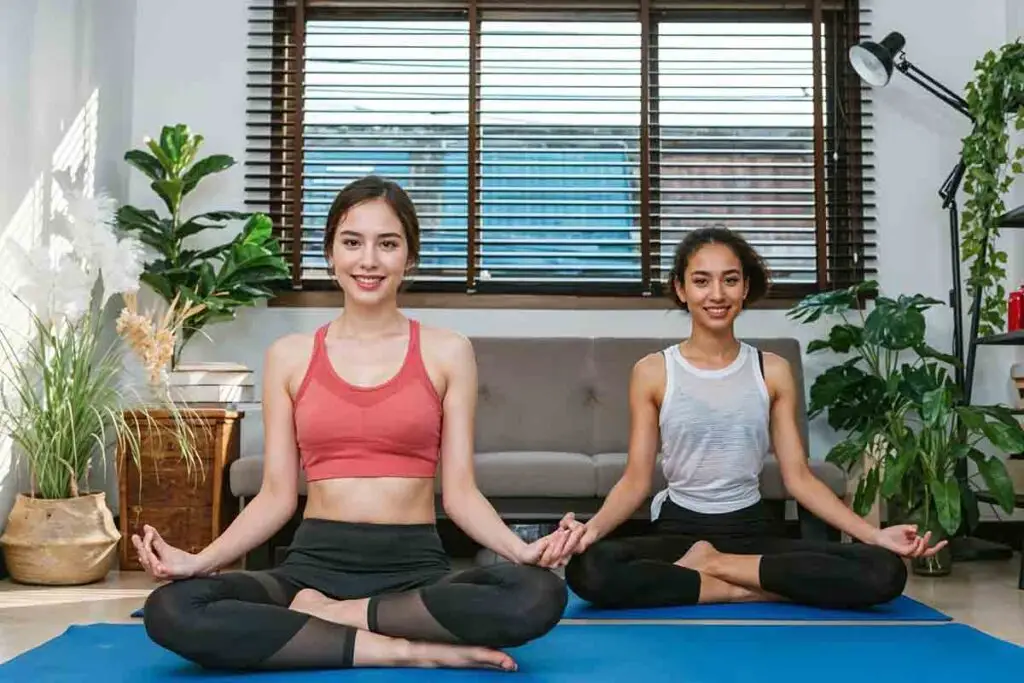
Vinyasa yoga is a dynamic yoga style that connects breath to movement in a continuous flow. Each inhale and exhale guides a transition between poses, creating a moving meditation. Classes typically run 60 to 90 minutes, suit all fitness levels with modifications, and combine strength, flexibility, and breathwork in one session.
Key Facts: Vinyasa Yoga at Orba
| Detail | Information |
|---|---|
| What | Breath-linked, flowing yoga style |
| Who teaches | Brídín, qualified instructor since 2012 |
| Where | Orba Yoga Retreat & Health Spa, 9 Tormore Road, Omagh, BT79 0NF |
| Class price | From £54 per class | Unlimited £115/month |
| Class length | 60 minutes (beginner) or 90 minutes (all levels) |
| Suitable for | All levels, including complete beginners |
| Book | orbayogaspa.com or call +44 7596 592117 |
What Is Vinyasa Yoga?
Vinyasa yoga is one of the most widely practised yoga styles in the world, and for good reason. The word “vinyasa” comes from the Sanskrit term vi (in a special way) and nyasa (to place). Together, they describe the intentional, breath-guided movement from one pose to the next. In practice, this means you never simply hold a pose and wait. Instead, every inhale and every exhale moves you forward through the sequence.
This approach makes vinyasa yoga feel quite different from slower styles. There are no long pauses to stare at the wall. Your mind stays focused on the breath, which is why many practitioners describe it as a moving meditation. The sequence itself changes from class to class, so no two sessions are identical.
Vinyasa yoga traces its roots to the Ashtanga tradition developed by Sri K. Pattabhi Jois in the 20th century. Modern vinyasa flow emerged as a more creative, adaptable version of that structured system. Today, qualified instructors build their own sequences, giving each class a distinct character while staying true to the core principle of linking breath and movement.
At Orba Yoga Retreat & Health Spa in Omagh, vinyasa classes combine classical postures with contemporary sequencing, guided by our founder Brídín, who has been teaching since 2012. Whether you are exploring yoga for the first time or looking to deepen an existing practice, vinyasa offers a clear and satisfying structure.
Vinyasa Yoga vs Hatha Yoga: Key Differences
The question “vinyasa vs hatha” comes up constantly for people choosing their first class. Both styles are rooted in the same classical postures, but the experience in the room is quite different.
Hatha yoga holds each pose for several slow breaths, giving you time to settle, adjust, and deepen. It is ideal if you want to learn correct alignment without feeling rushed. Vinyasa yoga moves more quickly, so poses do not linger. The flow between postures becomes part of the practice itself, rather than just a transition.
| Feature | Vinyasa Yoga | Hatha Yoga | Power Yoga |
|---|---|---|---|
| Pace | Moderate to brisk | Slow to moderate | Fast |
| Breath link | Every movement tied to breath | Breath held during pose | Breath-linked but intense |
| Best for | Fitness, stress relief, focus | Alignment, relaxation, beginners | Athletes, strength gains |
| Intensity | Moderate | Low to moderate | High |
| Class length | 60–90 minutes | 45–75 minutes | 60–90 minutes |
| Cardio effect | Moderate | Low | High |
If you are completely new to yoga and want to learn postures carefully before adding speed, hatha is a sensible starting point. However, many beginners find that a well-taught beginner vinyasa class is equally accessible because the instructor provides clear cues and modifications throughout. You can read more about hatha in our hatha yoga beginner’s guide.
What Happens in a Vinyasa Yoga Class?
Knowing what to expect from a vinyasa flow class removes the anxiety of walking into a studio for the first time. Here is a typical 60-minute class structure at Orba.
1. Centring and Warm-Up (10 minutes)
The class opens seated or lying down. You settle the breath, arrive in your body, and let go of whatever happened before you walked in. Gentle neck rolls, shoulder circles, and spinal movements warm the joints without loading them.
2. Sun Salutations (15 minutes)
Sun salutations (Surya Namaskar) are the backbone of most vinyasa yoga classes. A single round includes around 12 poses, each linked to a breath. They raise the body temperature, stretch the whole spine, and establish the rhythm of the class. Beginners typically do 4 to 6 rounds with modifications; experienced practitioners may do 8 or more.
3. Standing and Balancing Poses (20 minutes)
The main sequence moves through standing postures: Warriors I, II, and III, Triangle, Extended Side Angle, and balances such as Tree and Eagle. Sequences flow from one pose to the next, with each transition guided by the breath. This is where your strength and stamina are genuinely tested.
4. Floor Work (10 minutes)
The final active phase brings you to the mat for backbends, forward folds, hip openers, and twists. This section releases the deeper muscle groups and prepares the nervous system for rest. Bridge pose, pigeon, and seated forward folds are common.
5. Savasana (5 minutes)
Every class ends in Savasana, lying completely still. This is not optional filler. Research shows that conscious relaxation after physical exertion helps the body consolidate the benefits of the session, reduce cortisol, and improve overall recovery.
Benefits of Vinyasa Yoga
The vinyasa yoga benefits are wide-ranging, which partly explains why participation in yoga across the UK has grown steadily for two decades. Below are the most well-supported benefits.
Physical Strength and Flexibility
Vinyasa yoga builds functional strength through bodyweight exercises. Plank, Chaturanga, and Warrior sequences engage the core, arms, and legs in ways that complement gym-based training. Over time, regular practice also improves flexibility, particularly in the hips, hamstrings, and shoulders.
According to the NHS Live Well guide to yoga, regular yoga practice can help improve strength, balance, and flexibility, and may also support management of conditions including lower back pain and stress.
Cardiovascular Health
Vinyasa yoga raises the heart rate more than static yoga styles. A continuous vinyasa flow class sits in a moderate-intensity exercise zone, which counts toward the 150 minutes of moderate physical activity per week recommended by the NHS.
A study published in the Journal of Physical Activity and Health found that a 60-minute vinyasa yoga session burns approximately 400 to 500 calories for an average adult and produces heart rate responses comparable to a brisk walk or light jog.
Mental Health and Stress Reduction
The breath-focused nature of vinyasa makes it an effective stress-management tool. When the mind is tracking the inhale and exhale through each pose, there is no bandwidth left for rumination. Practitioners consistently report lower perceived stress and better sleep quality after as few as six weeks of regular attendance.
Posture and Body Awareness
Many people who sit at desks all day develop tightness in the hip flexors and weakness in the upper back. A well-structured vinyasa flow class addresses both. Over months of practice, improved posture becomes visible in everyday life, not just on the mat.
Is Vinyasa Yoga Good for Beginners?
Yes. Vinyasa yoga for beginners is entirely achievable, provided the class is taught at an appropriate level and the instructor explains modifications. At Orba, beginner classes move at a gentler pace and spend more time on transitions so that no one is left behind.
The most common worry is “I am not flexible enough.” Flexibility is something yoga builds over time. You do not need it to begin. What matters at your first class is a willingness to follow your breath and to rest in Child’s Pose whenever the sequence feels like too much. Every experienced practitioner in the room started exactly where you are.
If you have a recent injury, joint condition, or are pregnant, speak to your instructor before the class begins. Qualified instructors at Orba will tailor modifications specifically for your situation. You are never expected to force your body into a shape it is not ready for.
A beginner vinyasa class at Orba typically includes around 30 to 35 distinct poses, a structured warm-up, and guidance on where to look during balances. Most newcomers feel comfortable within two or three sessions.
How to Prepare for Your First Vinyasa Class
A little preparation makes your first vinyasa class noticeably better. Here is a practical checklist.
- Clothing: Wear close-fitting, stretchy leggings or shorts and a fitted top. Avoid loose t-shirts that fall over your face in forward folds.
- Footwear: None needed. You practise barefoot on the mat.
- Mat: Orba provides studio mats at no extra cost. If you want your own, a standard 4mm PVC mat works well for vinyasa.
- Eating: Avoid a large meal within two hours of class. A light snack two to three hours beforehand is fine.
- Hydration: Drink water before and after the session. Bring a bottle to the studio.
- Arrival time: Arrive five to ten minutes early so you can speak to the instructor, tell them it is your first time, and ask about any modifications you might need.
- What to bring: Water bottle, a small towel (optional), and an open mind.
- Props: Blocks and straps are available in the studio and can make poses more accessible. The instructor will suggest when to use them.
Above all, remember that a first class is about experiencing the breath-movement connection, not performing perfectly. There is no competition in the room.
Vinyasa Yoga Classes in Omagh at Orba
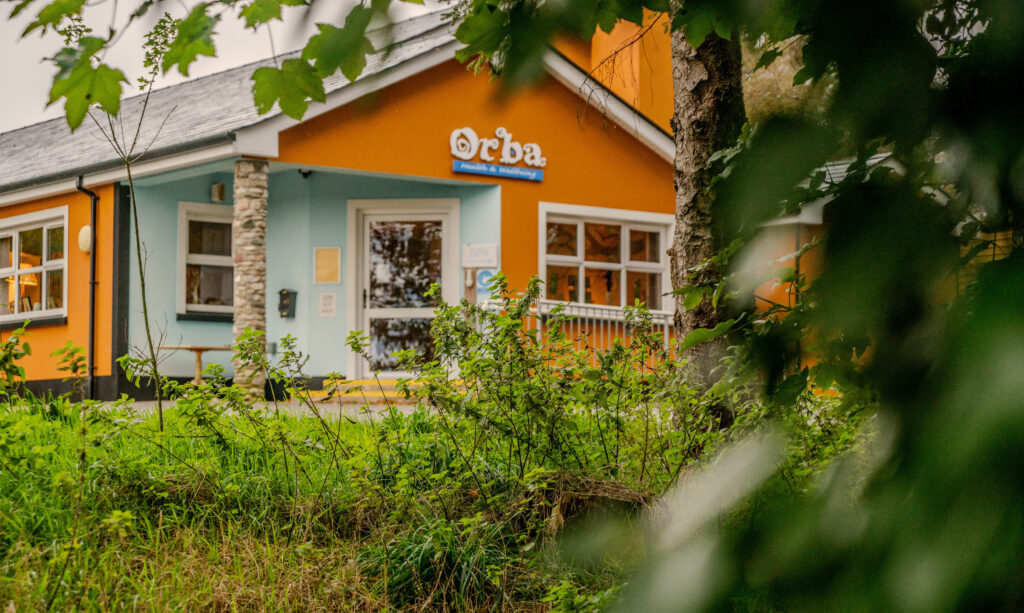
Orba Yoga Retreat & Health Spa is based at 9 Tormore Road, Omagh, Co. Tyrone, BT79 0NF, and offers a range of yoga classes for all levels throughout the week. Vinyasa yoga classes are taught by our founder Brídín, who has been practising and teaching since 2012 and brings both technical precision and genuine warmth to every session.
Pricing: Vinyasa classes start from £54 per class. For practitioners who want to attend regularly, an unlimited monthly membership is available at £115/month, covering all studio classes.
Classes run in a purpose-built studio space that is warm, welcoming, and free from the clinical atmosphere of a gym. Group sizes are deliberately small so that every participant receives attention and instruction, not just observation.
We also offer yoga retreats, spa treatments, and wellness packages that combine movement with rest and recovery. If you are looking for a meaningful way to start or restart a yoga practice in County Tyrone, Orba is a good place to begin.
Ready to try vinyasa yoga in Omagh?
Book your first class at Orba Yoga Retreat & Health Spa.
View class timetable | Call +44 7596 592117 | Orba yoga studio in Omagh
Frequently Asked Questions About Vinyasa Yoga
What is vinyasa yoga?
Vinyasa yoga is a dynamic style that links breath to movement in a continuous, flowing sequence. Unlike static styles, each transition between poses is guided by an inhale or an exhale. Classes typically last 60 to 90 minutes and include a mix of standing, balancing, and floor-based postures suited to different fitness levels.
Is vinyasa yoga good for beginners?
Yes, vinyasa yoga is suitable for beginners when taught in a class designed for that level. Qualified instructors offer modifications for every pose, so you do not need to be flexible or particularly fit to start. A beginner vinyasa class moves at a gentler pace and focuses on teaching the breath-movement connection before adding complexity.
How is vinyasa yoga different from hatha yoga?
The main difference is pace. Hatha yoga holds each pose for several breaths, making it slower and more focused on alignment. Vinyasa yoga links poses together in a continuous flow, so you move more frequently. Both styles build strength and flexibility, but vinyasa raises the heart rate more and provides a moderate cardiovascular workout.
What should I wear to a vinyasa yoga class?
Wear close-fitting, stretchy clothing that moves with your body and will not ride up during inversions or forward folds. Yoga leggings or shorts with a fitted top work well. Avoid loose, baggy t-shirts. You practise barefoot, so no special footwear is needed. Layers are useful for the cool-down at the end of class.
How many calories does vinyasa yoga burn?
A 60-minute vinyasa yoga session burns approximately 400 to 500 calories for an average adult, according to research published in the Journal of Physical Activity and Health. The exact number depends on your body weight, the intensity of the class, and how actively you engage each muscle group throughout the sequence.
How often should I do vinyasa yoga?
Most yoga teachers recommend practising vinyasa yoga two to four times per week for noticeable results. Beginners often start with two sessions per week to allow the body time to adapt and recover. As strength and flexibility improve, frequency can increase. Attending once a week still delivers meaningful wellbeing and stress-reduction benefits.
Do I need my own yoga mat for vinyasa classes?
No. Orba Yoga Retreat & Health Spa provides studio mats for all participants at no additional charge. If you plan to practise regularly, investing in your own 4mm non-slip mat can improve grip during more demanding sequences. Blocks and straps are also available in the studio and are encouraged for beginners.
Can vinyasa yoga help with back pain?
Vinyasa yoga can support lower back health by strengthening the core muscles that stabilise the spine and releasing tension in the hip flexors and hamstrings. According to the NHS, yoga is recognised as a beneficial activity for people with lower back pain. Speak to your instructor before class if you have a specific back condition, so they can suggest safe modifications.
About the author: Brídín is the founder of Orba Yoga Retreat & Health Spa and has been teaching yoga since 2012. Orba is located at 9 Tormore Road, Omagh, Co. Tyrone, BT79 0NF. Phone: +44 7596 592117.
References:
NHS (2024). Guide to yoga. https://www.nhs.uk/live-well/exercise/guide-to-yoga/
Hagins, M., et al. (2007). Determining the energy expenditure of commonly performed yoga routines. Journal of Physical Activity and Health.