Are infrared saunas dangerous? For most healthy adults, a short session is low risk. The real infrared sauna dangers are dehydration, overheating, and drops in blood pressure, and they matter far more if you are pregnant, have a heart condition, or take certain medicines. Used sensibly, the risk stays small.
This is an honest safety guide, not a sales pitch. Orba has an infrared sauna, and people ask us the same worried questions before they try it. Is the heat safe? Can it hurt my heart? Should I go in while pregnant? Those are fair questions, so this article answers them plainly. We look at the genuine infrared sauna dangers, who should take extra care, and the simple steps that keep a session safe. The evidence on infrared saunas is thinner than most marketing suggests, and we say so where it matters.
| Quick facts | Typical figure |
|---|---|
| Air temperature (infrared) | About 40 to 60°C, cooler than a traditional sauna at 70 to 100°C |
| Core body temperature rise | Roughly 1 to 2°C, enough to cause heavy sweating |
| Fluid lost per session | Often 300 to 500 ml of sweat in 20 to 30 minutes |
| Sensible session length | 15 to 20 minutes for most people; less if new to it |
| Main risks | Dehydration, overheating, low blood pressure, fainting |
Are Infrared Saunas Actually Dangerous? An Honest Answer
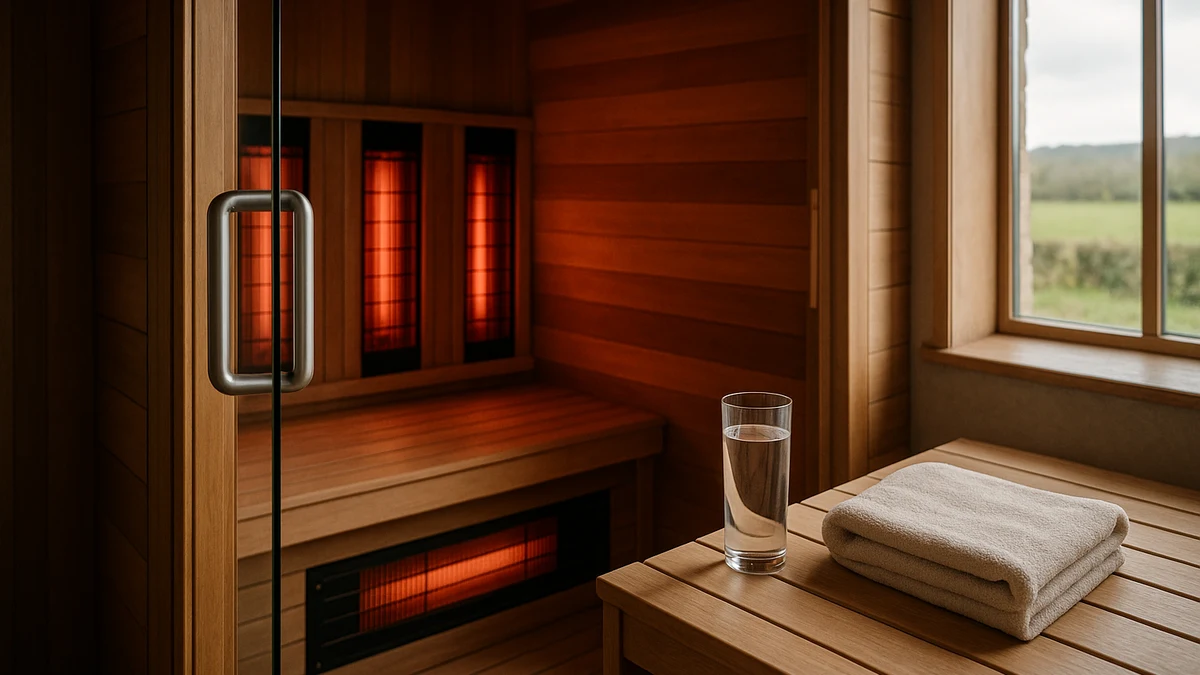
Here is the direct answer. An infrared sauna is a strong heat stress, but for a healthy adult a short, well-hydrated session is low risk. The heat is real even though the air feels milder. Infrared heaters warm your body directly, so your core temperature still climbs by about 1 to 2°C and you sweat heavily.
It helps to be clear about the evidence. Most long-term safety research comes from traditional Finnish saunas, not infrared. A large Finnish study following men for around twenty years (Laukkanen and colleagues, JAMA Internal Medicine, 2015) linked frequent sauna use with lower heart and death rates. That was an observed pattern, not proof, and it used hot Finnish saunas, not infrared cabins. Infrared saunas run cooler and have far fewer studies behind them. So the honest position is simple. The infrared sauna dangers are usually mild for healthy people, and the benefits are promising but not proven.
The Real Infrared Sauna Dangers, Risk by Risk
Most problems come from the same few sources. The table below sets out the main infrared sauna risks, who is most affected, and how to lower each one. None of this is meant to scare you. It is meant to help you use the sauna with your eyes open.
| Risk | What can happen | Most at risk |
|---|---|---|
| Dehydration | Heavy sweating, dizziness, headache, tiredness | Older adults, people on water tablets |
| Overheating | Heat exhaustion, nausea, faintness, rarely heat stroke | Long sessions, alcohol, illness |
| Blood pressure | Blood pressure drops, then dizziness on standing | Low blood pressure, some medicines |
| Heart conditions | Extra strain on the heart when unstable | Recent heart attack, unstable angina |
| Pregnancy | Overheating that may affect early development | First trimester especially |
| Medication | Stronger fluid loss or bigger blood pressure swings | Diuretics, blood pressure drugs, sedatives |
Dehydration and overheating: the two you notice first
Sweating is the point of a sauna, and it is also the first risk. Dehydration is the most common of the infrared sauna dangers, and the easiest to prevent. A single session can cost you 300 to 500 ml of fluid, and more if you run hot. Lose even one or two percent of your body weight in sweat and your heart works harder, your blood pressure can dip, and you may feel dizzy or get a headache. Drink water before and after, and the risk falls sharply.
Overheating is the more serious version of the same problem. Stay in too long and you can tip into heat exhaustion: weakness, nausea, a pounding head, and a fast pulse. The NHS explains the warning signs of heat exhaustion and heatstroke and when to get help. Heat stroke is rare in a spa, but it is a medical emergency. Get out at once if you feel faint, sick, or confused, and cool down.
Blood pressure, the heart, and fainting
Heat widens your blood vessels. That usually lowers your blood pressure a little during the session, then it drifts back to normal over half an hour or so. For many people that gentle dip is harmless. If you already run a low blood pressure, or you take medicine that lowers it, the drop can leave you light-headed when you stand up. Rise slowly and sit for a few minutes before you walk off.
Heart conditions need more caution. People with stable, well-managed heart disease can often use saunas with medical advice. But some conditions are a clear reason to stay out unless a doctor says otherwise. These include a recent heart attack, unstable angina, poorly controlled heart failure, severe valve disease, and serious irregular heart rhythms. If any of that applies to you, treat these infrared sauna dangers seriously and ask your GP or cardiologist first.
Pregnancy: the cautious line to take
Pregnancy is where we are most careful. The concern is a raised core temperature, mainly in the first twelve weeks when a baby is developing fast. UK advice is to avoid things that cause overheating and dehydration in pregnancy, such as hot tubs and saunas. The NHS covers safe activity and overheating in its guidance on keeping well and exercise in pregnancy. Our honest position is that pregnant guests should avoid the infrared sauna, especially early on, and use it only if a midwife or doctor has cleared it.
Alcohol and medication: the hidden multipliers
Alcohol is one of the best-documented infrared sauna risks. It blunts your sense of overheating, worsens dehydration, and can drop your blood pressure hard, which is a bad mix with heat. The simple rule is never use the sauna after drinking. Some medicines matter too. Diuretics, often called water tablets, add to fluid loss. Blood pressure drugs and sedatives can deepen the dizziness. If you take any of these, a quick word with your GP is worth it before you start.
Who Should Avoid an Infrared Sauna or Check With a GP First
Most infrared sauna dangers cluster in a few groups. Use the list below as a guide, not a diagnosis. It is a short version of what sauna safety reviews and cardiology guidance tend to say.
- Best to avoid unless a doctor clears you: a recent heart attack, unstable angina, poorly controlled heart failure, severe valve disease, serious uncontrolled heart rhythms, and the first trimester of pregnancy.
- Check with your GP first: high or low blood pressure, stable heart disease, a pacemaker or other implanted device, kidney problems, diabetes, and any use of diuretics, blood pressure drugs, or sedatives.
- Skip it for now: if you feel unwell, have a fever, are recovering from sickness or diarrhoea, or are already dehydrated after exercise, travel, or a hot day.
- Take extra care: older adults, anyone who faints easily, and complete beginners, who should start with a very short session.
Please check with your GP or midwife first if you are pregnant, have a heart condition, take regular medication, or are managing any long-term illness. This guide is general information, not medical advice, and it cannot replace a conversation with someone who knows your health. When in doubt, ask before you use the sauna.
How to Use an Infrared Sauna Safely
Good infrared sauna safety is mostly common sense done consistently. Most of the infrared sauna dangers we have covered come down to heat, fluid, and blood pressure, so the fixes are simple. None of these steps are complicated, and together they remove most of the risk for a healthy adult.
- Drink water first. A glass or two in the hour before helps you start well hydrated.
- Keep it short. Aim for 15 to 20 minutes, and start with 10 if you are new. Longer is not better.
- Listen to your body. Step out the moment you feel dizzy, sick, or too hot. There is no prize for staying in.
- Cool down slowly. Sit in a cooler spot, and stand up gently to avoid a head rush.
- Rehydrate. Have at least 500 ml of water afterwards, more if you sweated hard.
- Never mix it with alcohol, and avoid it straight after a heavy meal or a hard workout.
- Do not use it alone if you have a health condition. Let staff know you are in there.
At Orba, our infrared sauna sits within roughly nine acres of countryside at the foot of the Sperrin Mountains. That setting makes it easy to pair a session with a slow walk on the nature trail, so you cool down properly instead of rushing straight off. If you want to build heat into a wider relaxing visit, our spa and treatments pages explain how the sauna fits with the forest hot tub and our full massage menu. Understanding the infrared sauna dangers is what lets you relax into the heat rather than worry about it. Sensible infrared sauna safety turns a strong heat stress into a genuine part of winding down.
If you are new to the place, it is worth a quick look at the class timetable and a read about the studio before you visit, so you know how a spa session can sit alongside a yoga class or a treatment. Our team is happy to talk through the infrared sauna dangers in person, point out who should take extra care, and help you plan a first visit that feels calm rather than daunting. There is no pressure to push the heat. A short, gentle session is often the most enjoyable way to start.
A Brief, Honest Word on the Benefits
Since this article is about the infrared sauna dangers, we will keep the upside short and honest. Many people find a session deeply relaxing, and the warmth can ease tired muscles and help you unwind after a busy week. Early research on heat and heart health is encouraging, but it mostly comes from hot traditional saunas, and the infrared evidence is still limited. So enjoy it for the calm and comfort, and treat any bigger health promises with a healthy dose of scepticism. Weighed against the modest infrared sauna dangers, that quiet twenty minutes of warmth is a fair trade for most healthy people.
Infrared Sauna Dangers: Frequently Asked Questions
Is infrared sauna safe for most people?
For most healthy adults, yes. A short, well-hydrated session of 15 to 20 minutes is low risk. The question of is infrared sauna safe changes if you are pregnant, have a heart condition, or take medicines like diuretics or blood pressure drugs. In those cases, check with your GP before you use one.
How long should an infrared sauna session last?
Fifteen to twenty minutes suits most people, and beginners should start with about ten. Staying in far longer raises the infrared sauna risks of dehydration and overheating without adding any real benefit. Get out sooner if you feel dizzy, nauseous, or uncomfortably hot, and cool down before you stand.
Can I use an infrared sauna with high blood pressure?
Many people with well-controlled high blood pressure tolerate short sessions, and heat tends to lower blood pressure briefly. Do not stop any prescribed medicine, and speak to your GP first, especially if your blood pressure is not well controlled or you also have heart disease.
Are infrared saunas safe during pregnancy?
The cautious answer is to avoid them, especially in the first trimester, because raising your core temperature may carry a small risk during early development. UK advice steers pregnant women away from saunas and hot tubs. Only consider one if your midwife or doctor has specifically cleared it.
Do infrared saunas cause dehydration?
They can, because you sweat heavily and may lose 300 to 500 ml of fluid in one session. That is easy to manage. Drink water before and after, keep the session short, and avoid the sauna if you are already dehydrated after exercise, travel, alcohol, or illness.
Is an infrared sauna safer than a traditional sauna?
The air runs cooler, around 40 to 60°C against 70 to 100°C, so it can feel gentler. Your core temperature still rises, so the types of infrared sauna risks are similar. There is also less research on infrared, so it is fairer to call it comparable rather than clearly safer.
Related reading
- Spa Day vs Massage: Which Should You Book?
- Spa Treatments List: What to Choose at Orba near Omagh
- What to Wear to a Spa Day: A Practical UK Guide
- First Time Spa Day: An Honest Beginner’s Guide
Enjoy the Infrared Sauna Safely at Orba in Omagh
Our infrared sauna sits in nine acres of countryside at Orba Yoga Retreat & Health Spa in Omagh, Co. Tyrone, alongside a forest hot tub, a nature trail, and a full massage menu. If you have a health condition or any doubt, talk to us and to your GP first, then relax knowing the basics are covered.
Call 07596 592117 or email namaste@orbayogaspa.com to plan your visit.