What is a meditation retreat? A meditation retreat is a set period of quiet time, usually a few hours to a few days, where you step back from daily life to practise meditation with guidance and few distractions. You do not need experience or perfect stillness. You need a little openness and the willingness to slow down.
The idea can sound daunting. Sitting in silence, no phone, no rush. In practice it is gentler and warmer than most people expect. This guide walks you through what to expect on a meditation retreat, how to prepare in the days before, and how to choose the format that suits you. It is written from years of teaching quiet, breath-led practice here in Omagh, so the focus is on real, first-time nerves rather than lofty ideals. If the thought of a whole day of stillness feels a stretch, read on. It is more doable than it looks.
What Is a Meditation Retreat, Really?
A meditation retreat is time set aside to practise meditation away from your usual routine, with a teacher to guide you and a calm space to settle. It can last a few hours, a full day, or several days. The aim is simple: fewer distractions, more stillness, and a steadier mind by the end.
Retreats come in many shapes. Some are led and talkative, with plenty of guidance between sits. Some are quiet by design, where the group shares silence for long stretches. Others blend gentle yoga, walking, and rest around the meditation itself. None of them ask you to empty your mind or reach some special state. You are learning to notice your thoughts and let them pass, one breath at a time.
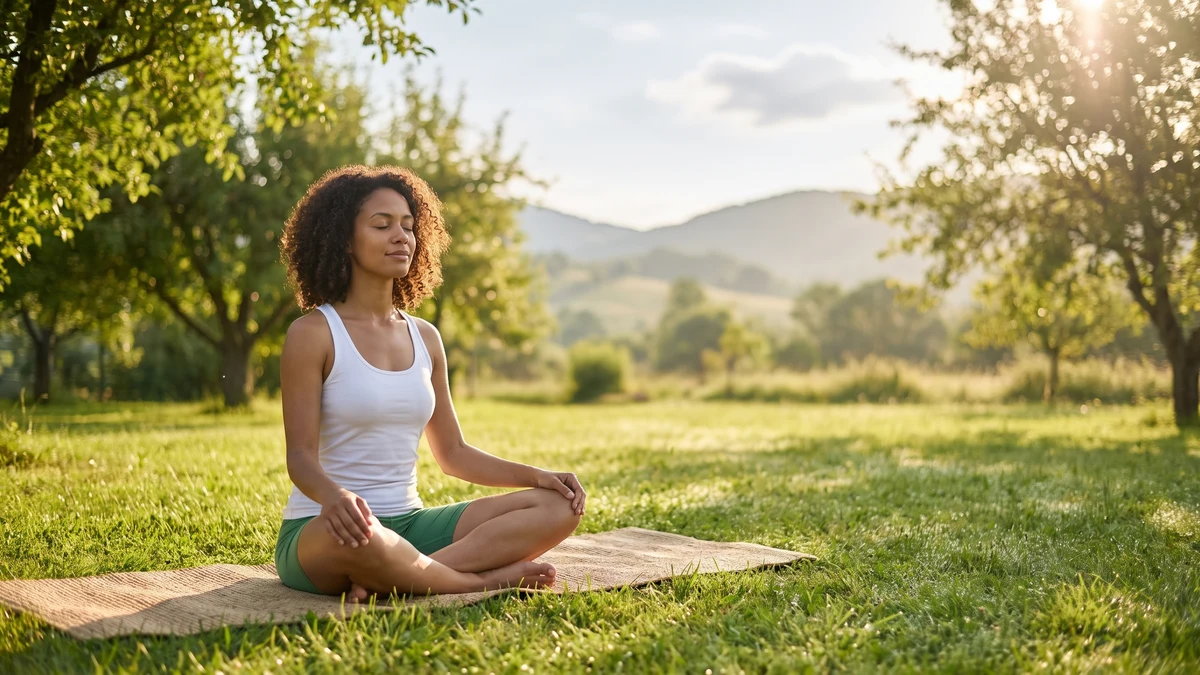
The setting matters more than people think. A quiet room, soft light, and a bit of nature outside the window all help the mind settle. At Orba our practice happens in a calm studio and, in warmer months, in the outdoor shala, set in roughly nine acres of countryside at the foot of the Sperrins. The space does a lot of the work before you even sit down.
What to Expect on a Meditation Retreat
Most people worry they will be bored, restless, or somehow doing it wrong. What to expect on a meditation retreat is usually the opposite: a slow, structured day that carries you along. There is a rhythm to it, and the teacher holds that rhythm so you do not have to.
Here is how a typical day retreat tends to flow. Timings vary by centre, but the shape is common across most of them.
| Time | Session | What happens |
|---|---|---|
| 09:30 | Arrival and welcome | Settle in, meet the group, hear how the day will run |
| 10:00 | Gentle movement | Slow stretches to ease the body before sitting |
| 10:45 | Guided meditation | Short, led sits with breath and body awareness |
| 12:30 | Quiet lunch and a walk | Simple food, then time outdoors on the nature trail |
| 14:00 | Longer practice | A mix of guided and silent sitting, at an easy pace |
| 15:30 | Rest and reflection | Tea, a chance to ask questions, and gentle grounding |
| 16:30 | Close | A short final sit, then home feeling calmer |
Notice how much space there is. Sessions are broken up with movement, food, and rest, so you are never sitting for hours on end. Beginners often expect endless cross-legged sitting on a hard floor. In reality you can use a chair, a cushion, or a bench, and shifting position is completely fine.
Your mind will wander, and that is normal. The whole practice is noticing that you have drifted and coming back to the breath. Doing that a hundred times in a session is not failure. It is the exercise. A good teacher will remind you of this often, so the pressure to get it right quietly falls away.
A meditation retreat for beginners: what to know
If this is all new, a meditation retreat for beginners is the kindest place to start. Beginner-friendly days keep the sits short, explain each practice clearly, and welcome questions. You will not be left to guess. The teacher builds up slowly, from a few minutes of breath awareness to slightly longer periods, so nothing feels like a leap.
Go in with low expectations and a lot of patience for yourself. You are not aiming for bliss or a blank mind. You are practising a small, repeatable skill: return to the breath, again and again. Many people find that even one quiet day leaves them calmer for the rest of the week. The health service agrees the wider habit is worth building. The NHS guide to mindfulness explains how paying attention to the present moment can support everyday mental wellbeing.
How to Prepare for a Meditation Retreat
A little preparation makes the day feel easier from the moment you arrive. You do not need to train for weeks. A few small steps in the days before will settle the nerves and help you get more from the practice.
- Try a few short sits first. Even five minutes a day for a week gets your body used to sitting still, so the retreat is less of a shock.
- Wear soft, warm layers. You will be still for a while, and a still body cools down. Comfortable clothing beats anything smart.
- Ease off screens the night before. A calmer evening makes the quiet feel natural rather than jarring the next morning.
- Sort the practical bits early. Know where you are going, allow time to arrive, and check what to bring so the morning is not a rush.
- Let go of a goal. Arrive curious, not chasing a result. The less you demand of the day, the more it tends to give back.
On the day itself, arrive a few minutes early so you can settle before the group begins. Turn your phone off rather than to silent, if you can. That one act signals to your mind that the usual pulls can wait. At Orba there is free on-site parking, and mats, blankets, and cushions are provided, so there is very little for you to carry in.
If you have a health condition, are pregnant, or find sitting still uncomfortable, mention it when you book. A good teacher will offer a chair, extra support, or a gentler option. Meditation supports relaxation and general wellbeing rather than treating any medical condition, so if you are managing anxiety or another health concern, it is worth a quick word with your GP first.
Silent Meditation Retreat or Guided: Which Suits You?
Retreats sit on a spectrum from fully guided to fully silent. A silent meditation retreat holds shared quiet for long stretches, sometimes a whole day or more, with only the teacher speaking to lead a practice. A guided retreat has more talking, more instruction, and more room to ask questions as you go.
Neither is better. They suit different people and different moments. The table below sets out who each format tends to suit, so you can pick with confidence.
| Format | Length that suits it | Best for |
|---|---|---|
| Guided day retreat | Half a day to 1 day | Complete beginners who want clear instruction |
| Mixed guided and silent | 1 day | People with a little experience ready for more quiet |
| Silent meditation retreat | 1 to 3 days | Those wanting deeper stillness and fewer distractions |
| Weekend residential | 2 to 3 days | Anyone wanting a full reset away from home |
If you are new, start guided and short. A half-day or single day gives you a real taste without a long commitment. A silent meditation retreat rewards a bit of prior practice, because the quiet is easier to enjoy once you are used to your own company. You can always work up to it. Many people begin with a guided day, feel the benefit, and choose a quieter format next time.
Finding a Meditation Retreat in the UK
When you search for a meditation retreat uk centres range from large residential venues to small local studios. Both have their place. A big residential centre offers full board and several days away. A local day retreat lets you dip in without booking time off or travelling far, which suits most first-timers better.
A few things are worth checking before you book any meditation retreat uk wide. Look for a named, qualified teacher rather than a vague brand. Check the group size, because smaller groups mean more support. Read what a typical day includes, and confirm what is provided so you know what to bring. Honest centres are happy to answer all of this before you commit.
Here in Northern Ireland, Orba offers quiet, breath-led practice in a countryside setting a short drive from Omagh, at the foot of the Sperrins. Our sessions are led by qualified instructors in small groups, with the outdoor shala, nature trail, and sensory gardens to help you unwind between sits. If a full retreat feels like a big first step, our regular classes at Orba are a gentle way in, and you can build from there. Have a look at the current class timetable to find a session that fits, or read more about the studio and the grounds before you visit. When you are ready, you can book a class online in a couple of minutes.
Meditation Retreats: Frequently Asked Questions
Do I need experience to go on a meditation retreat?
No. A meditation retreat for beginners is designed for people with no experience at all. The teacher keeps the sits short, explains each step clearly, and welcomes questions. You do not need to sit cross-legged or empty your mind. You simply learn to notice your breath and come back to it, gently, again and again.
What should I bring to a meditation retreat?
Wear soft, warm layers, since a still body cools down over a long sit. Bring water and any personal comfort item, such as a shawl. At Orba we provide mats, blankets, and cushions, so there is little to carry. Check with your centre in advance, as most provide the seating and props you need.
What happens on a silent meditation retreat?
On a silent meditation retreat the group shares quiet for long stretches, and only the teacher speaks to lead a practice. You still eat, walk, and rest, simply without conversation. The silence sounds harder than it feels. Most people find it a relief after a day or two, because it removes the usual pressure to talk and perform.
How long should my first meditation retreat be?
Start with a half-day or a single day. A short, guided format gives you a real taste of the practice without a big commitment or a night away. Once you have felt the benefit, you can choose a longer or quieter retreat next time. There is no need to begin with several days of silence.
Can meditation help with stress and sleep?
Many people find regular meditation helps them feel calmer and rest more easily. It supports general wellbeing and relaxation rather than treating a medical condition. For a plain, well-sourced overview, the NCCIH guide to meditation and mindfulness is a reliable read. If you have ongoing concerns, speak with your GP.
Related reading
- Wellness Retreat: An Honest Guide to What to Expect
- Yoga Retreat UK: What to Look For Before You Book
- Yoga Retreat for Beginners: A Calm Guide for Nervous First-Timers
- Digital Detox Retreat: How to Truly Switch Off
Begin Your Practice at Orba in Omagh
A retreat is a wonderful reset, and a regular practice is what makes it last. At Orba Yoga Retreat & Health Spa in Omagh, Co. Tyrone, quiet, breath-led classes run in a calm studio and outdoor shala, guided by Brídín, who has taught here since 2012. Small groups mean real support, in nine acres of countryside at the foot of the Sperrins.
Small groups · All levels welcome · Omagh, Co. Tyrone
Call 07596 592117 or email namaste@orbayogaspa.com to book or ask a question.
About the author
Brídín is the owner and head yoga and Pilates instructor at Orba Yoga Retreat & Health Spa in Omagh, Co. Tyrone. A qualified instructor, she has guided beginners and regulars in yoga and quiet, breath-led meditation here since 2012, in a calm studio set in roughly nine acres of countryside at the foot of the Sperrin Mountains. She teaches all levels, with mats and equipment provided.
Ready to begin? Book a class or ask a question by calling 07596 592117 or emailing namaste@orbayogaspa.com.